
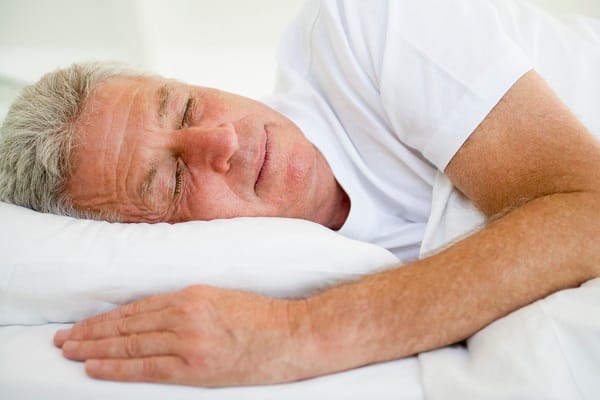
There is a growing focus on sleep medicine, as more people and health professionals recognise that good sleep is essential for long-term health.
Sleep disorders, such as insomnia, sleep apnoea and restless sleep, are increasingly diagnosed and treated by specialists in the UK.
These clinicians include sleep doctors, respiratory physicians, neurologists and even dental professionals who have training in sleep-related treatments. The rise of sleep medicine reflects both increasing demand from patients and better understanding of how poor sleep affects overall wellbeing.
The UK and poor sleep
The UK does not perform well when it comes to sleep health. Surveys have shown that a large portion of the population regularly experiences poor sleep. Around one in three adults report that they do not get enough rest, and many children also fail to meet recommended sleep guidelines.
According to recent data, about 40% of adults in the UK say their sleep quality is poor or very poor. These figures are worrying because they hint at widespread sleep problems that go unaddressed.
There are many contributing factors. Stress, long working hours, digital screen use late at night and irregular sleep patterns all affect the ability to fall and stay asleep.
The COVID-19 pandemic also highlighted how changes in daily routine, anxiety and isolation can disrupt sleep. As people become more aware of these issues, demand for help from experts in sleep medicine is increasing rapidly.
Why sleep is important
Sleep is not simply a time when the body shuts down. It is an active and vital process that supports both physical and mental health. During sleep, the brain consolidates memories, hormones are balanced, the immune system is restored, and cellular repair takes place.
Without adequate sleep, people can experience poor concentration, mood swings, weakened immunity and higher risk of chronic conditions such as diabetes and heart disease. Studies suggest that adults generally need between seven and nine hours of quality sleep each night.
Quality sleep is essential for overall health and well-being. As awareness grows, more people seek specialist care, including consultations with one of the best private urologists in London for related health concerns.
Poor sleep is also linked with serious daytime consequences, such as increased risk of accidents, reduced productivity at work, and emotional difficulties. In children and adolescents, inadequate sleep has been associated with behavioural problems, learning difficulties and obesity. Given these effects, improving sleep quality is not a luxury — it is a health priority.
The role of sleep specialists
Sleep doctors and specialists are trained to assess, diagnose and treat a wide range of sleep disorders. They may work in dedicated sleep clinics, hospitals or multidisciplinary teams. Specialists often begin by taking a detailed history of a patient’s symptoms and lifestyle.
They may use sleep diaries, questionnaires, or refer patients for overnight studies in a sleep laboratory. These tests record brain waves, breathing patterns, heart rate and oxygen levels to identify specific problems.
For Ryan Cheong, who runs a snoring clinic in London, treatment depends on the diagnosis. For insomnia, behavioural therapies such as cognitive behavioural therapy for insomnia (CBT-I) are commonly used and have strong evidence of effectiveness.
For obstructive sleep apnoea, continuous positive airway pressure (CPAP) machines are often the first line of treatment, delivering steady air pressure to keep airways open during sleep. Some patients may benefit from custom-made oral appliances, which are fitted by trained clinicians. These devices gently reposition the jaw to help keep the airway open.
In more complex cases, surgical options may be considered. Sleep surgery can involve procedures to reduce tissue blocking the airway, correct structural abnormalities, or implant devices that help maintain airway tone. Specialists will carefully assess each case to determine whether surgery is appropriate and will discuss potential risks and benefits with the patient.
The dental connection in sleep medicine
Dentists are playing an increasingly important role in sleep medicine, especially in the management of sleep apnoea and snoring.
Many dental professionals have undertaken additional training in sleep-related breathing disorders such as Linda Greenwall in Hampstead. They are well-placed to assess oral structures, jaw alignment and bite issues that can contribute to airway obstruction.
Custom oral appliances, also known as mandibular advancement devices, are fitted by dentists or specialists with dental training. These devices are now widely recognised as an effective treatment for mild to moderate obstructive sleep apnoea and for snoring.
Research shows that such appliances can significantly reduce symptoms and improve sleep quality for many patients. They provide a non-invasive alternative to CPAP machines, which some patients find uncomfortable or hard to tolerate.
The overlap between dentistry and sleep medicine also includes education and early screening. Dental professionals often see patients regularly for check-ups and can notice signs that suggest a sleep disorder, such as bruxism (teeth grinding) or worn tooth surfaces. Early identification can lead to quicker referral to a sleep specialist and faster treatment.
Conclusion
The rise of sleep medicine and the growing number of sleep specialists reflect a shift in how society views sleep — not as a minor concern but as a core component of health. In the UK, where many people suffer from poor sleep, the need for professional assessment and treatment is greater than ever. Specialists work to diagnose and manage a wide range of disorders, and dental professionals are increasingly part of the solution, especially in treating sleep-related breathing issues. As awareness grows and services expand, more people may find the help they need to enjoy better sleep and a healthier life.





Leave a Comment