
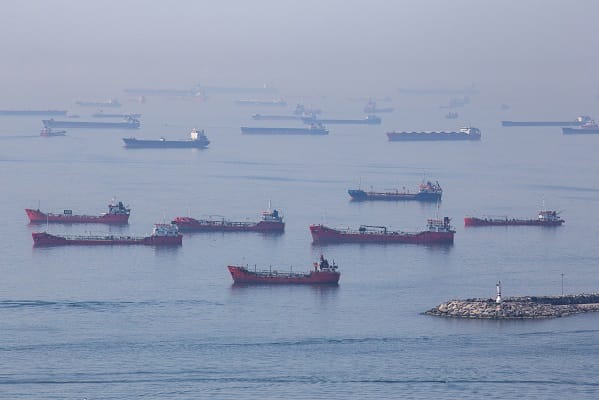
British households could soon face significantly higher energy bills and increased grocery prices due to Iran’s blockade of the Strait of Hormuz, which is disrupting the global supply of oil, gas, and fertilisers.
This crucial waterway transports approximately one-fifth of the world’s seaborne crude oil and natural gas, as well as a large portion of the raw materials needed to produce fertilisers.
In recent weeks, wholesale gas prices have skyrocketed by 70%, driven by fears of reduced supply and uncertainty surrounding geopolitical tensions in the region.
Similarly, prices for essential fertiliser products have surged by more than 25%, raising concerns about the potential impact on agricultural production.
The UK’s energy situation is particularly precarious, with only 12 days’ worth of gas storage available—considerably less than that stored in neighbouring countries such as Germany and France. This limited capacity makes the UK highly susceptible to sudden supply disruptions.
Economic analysts warn that electricity bills could increase by about 10% starting in July, putting additional financial strain on households already grappling with rising living costs.
Furthermore, the elevated costs of crop production and livestock feed could lead to higher food prices across the board, further affecting consumers.
Laura Suter, director of personal finance at AJ Bell warned: “Even small changes to global shipping routes can increase transport costs and delivery times for goods heading to the UK.
That can filter through to higher prices on shop shelves, affecting everything from clothing and electronics to household goods.
This escalating crisis underscores Britain’s vulnerability to global fluctuations in energy and agricultural markets, especially amid ongoing political tensions in the Middle East.
The situation calls for urgent attention and strategic planning to mitigate the adverse effects on the households and the broader economy.


Leave a Comment