
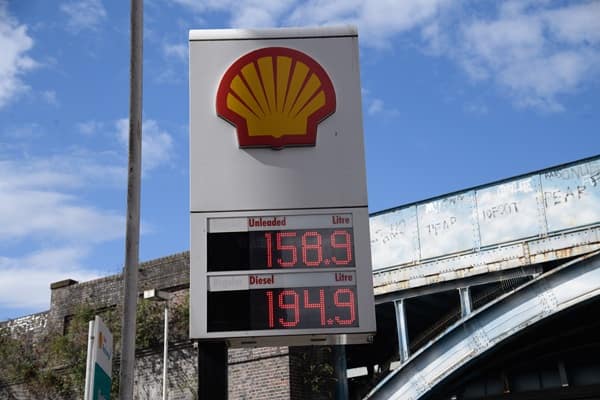
Fuel duty income has edged lower as changing driving habits and the shift towards electric vehicles begin to reshape one of the Treasury’s key revenue streams.
New HMRC figures show receipts from fuel duty totalled £24.3 billion between April 2025 and March 2026, a fall of around £100 million compared with the previous year.
The decline comes despite higher pump prices in recent months, underlining what analysts describe as a structural change in road usage and vehicle technology.
Industry experts say the figures point to a gradual but clear transition away from petrol and diesel, alongside short-term behavioural changes linked to rising living costs and global energy volatility.
Sheena McGuinness, Co-Head of Energy and Natural Resources at RSM UK, said the data reflects a broader shift in transport trends, with more motorists moving towards electric vehicles and reducing discretionary travel.
She said the fall in receipts was “indicative of a longer-term shift to electric vehicles”, while also noting that geopolitical tensions, including disruption in the Middle East, may be discouraging non-essential journeys.
Fuel duty typically accounts for a significant proportion of the price paid at the pump, meaning higher fuel costs would normally be expected to boost tax revenues. However, the latest figures suggest consumption is falling faster than prices are rising.
McGuinness warned that while higher prices might normally support Treasury income, the decline indicates “a clear reduction in fuel usage” across the economy.
There are concerns that the trend could reverse in the short term if global instability pushes prices higher, but analysts say the longer-term trajectory is likely downward as EV adoption increases.
The shift poses a growing fiscal challenge for the Government, which remains heavily reliant on fuel duty receipts while also facing pressure to accelerate the transition to low-emission transport.
At the same time, ministers are attempting to stabilise household energy costs through reforms aimed at reducing volatility in electricity pricing, though experts warn these measures may take time to filter through.
McGuinness also cautioned that reform of energy pricing mechanisms could have unintended consequences, including potential impacts on investment in renewable infrastructure if market incentives are weakened.
She added that while policy changes may influence future behaviour, they are unlikely to provide immediate relief to households facing continued cost pressures.
Looking ahead, planned adjustments to fuel duty could further influence both consumer behaviour and government revenues, with some analysts suggesting higher costs may accelerate the switch to electric vehicles even further.


Leave a Comment