
Speculation ahead of the UK Budget is damaging investment portfolios by triggering emotional discomfort among investors, causing them to make costly defensive moves based on rumours rather than facts, according to behavioural finance experts at Oxford Risk.
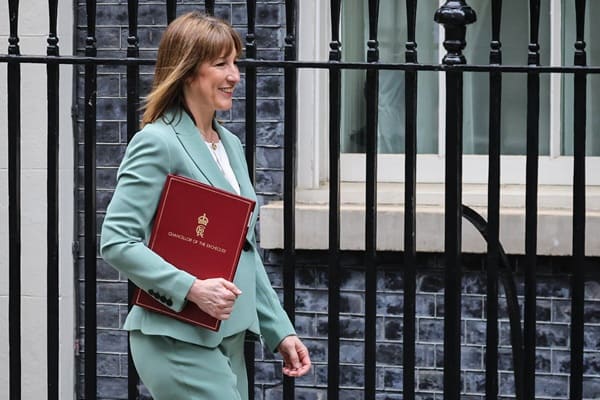
The warning comes as weeks of government briefings, market speculation and a pre-Budget speech from Chancellor Rachel Reeves have created widespread uncertainty surrounding potential tax changes. This deliberate ambiguity – particularly around income tax, savings allowances, capital gains and pension allowances – is creating ‘narrative gaps’ which people instinctively fill with worst-case stories.
When policy becomes a guessing game, people feel the pain of possible future losses long before anything actually happens,” explains Greg B Davies, Head of Behavioural Finance at Oxford Risk. That emotional discomfort pushes many into decisions that feel safe in the moment but harm their long-term finances. This psychological phenomenon, known as ‘anticipatory loss aversion’, means investors experience potential future losses as if they were happening now.
These speculation-driven decisions are already proving costly. Calastone data show UK investors withdrew a record £7.3 billion from equity funds in the four months to October, with £3.6 billion pulled in October alone. These outflows are consistent with emotionally driven flight-to-safety behaviour.
Oxford Risk’s research indicates that investors who react to policy speculation typically underperform those who maintain their strategy – a gap that compounds over time.
Oxford Risk’s analysis of over one million investor profiles reveals that around a quarter of UK investors fall into behavioural personas that are highly vulnerable to uncertainty
Cautious Protectors, who represent eight percent of the population, are especially low in Composure and Confidence and are prone to sitting in cash when markets move.
Planners, around seventeen percent of the population, show similar traits and can also be impulsive under pressure.
For both groups, policy speculation amplifies emotional strain and makes harmful decisions more likely.
The government’s approach of feeding speculation through hints and briefings is creating worse outcomes for investors than clear policy announcements would,” warns Davies.
“Policy ambiguity raises the likelihood of behaviours that, on average, cost investors around 3% annually. That represents the well-documented behavioural drag created when emotion overrides long-term planning. Over a 20-year retirement period, that’s the difference between financial security and struggle.


Leave a Comment