
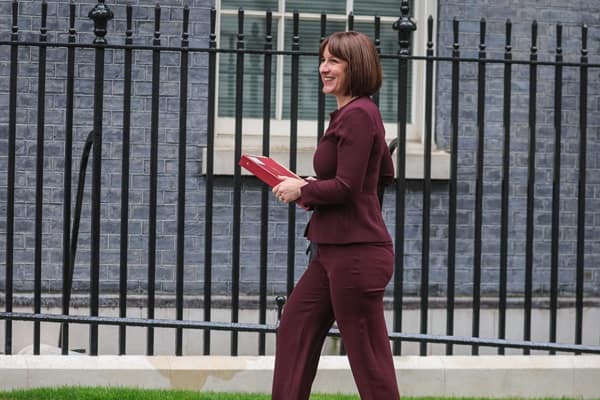
With reports suggesting the Chancellor is weighing up around £26 billion in tax rises, concerns are growing about the impact on small businesses already battling high costs and flatlining confidence.
As the government grapples with balancing fiscal responsibility and supporting economic growth, this week’s Autumn Budget will serve as a critical juncture for SMEs in the UK.
With business sentiment flatlining and confidence in government support waning, it is essential for the Chancellor to make decisions that genuinely create a supportive environment for small businesses; if she fails to do so again, the consequences could be severe.
Chancellor Rachel Reeves is facing the daunting task of addressing a potential £26 billion in tax rises to stabilise the UK’s public finances.
This directly impacts SMEs already grappling with rising operational costs and a deeply challenging economic climate.
The proposed tax increases, particularly on income tax, threaten to exacerbate the financial pressures already being acutely felt by SMEs, limiting their ability to invest in innovation, hire new staff or expand operations.
Recent surveys indicate that taxation is the foremost concern for SMEs, with many expressing frustration over rising costs and the impact of policy changes that do not seem to be well assessed. This uncertainty constrains their ability to invest and grow, and it’s clear that businesses are eager for clarity and stability from the government. The anticipated downgrade to the UK’s productivity growth, projected to fall by nearly 0.3 percentage points, could hinder SMEs’ growth potential even further, since weak productivity typically translates to lower profitability and reduced investment capacity for small businesses.
The Chancellor faces significant challenges, often described as a fiscal “trilemma,” where she must navigate the need to adhere to fiscal rules while also considering spending cuts and potential tax increases. While the narrative around fiscal responsibility is important, and Ms Reeves may be loath to change her approach to it, I would caution that it should not come at the expense of the very businesses that drive the economy.
SMEs across the UK are proving resilient and optimistic about their own prospects, but they need the government to share that optimism by taking decisive action that supports their growth and sustains their contributions to the economy. The implications of these decisions are profound: higher taxes would increase their operating costs while simultaneously reducing the disposable income of consumers, dampening demand for goods and services.
It’s therefore critical that the budget alleviates some of the financial pressures small businesses are facing. This includes addressing issues like National Insurance contributions and business rates, which many SMEs are finding extremely burdensome. The government has an opportunity to create an environment far more conducive to growth by prioritising tax reforms and providing incentives that encourage innovation and investment; SME owners who have been stretched to the limit need them to take it.


Leave a Comment