
Many workers find that their energy fades long before the day ends. This feeling often stems from the way office lighting interacts with their eyes and brain. You might notice that your focus slips when the room feels too bright or too dim.
Adjusting your environment is a great way to fix this common issue. By using the right tools, you can stay sharp and get more done without feeling burned out. Small changes to your desk setup create a more comfortable space for deep work.
Maximizing focus with light control
Modern offices often rely on harsh overhead bulbs and very bright computer monitors. By making a few changes, you can reduce screen light exposure by using blue light blocking filters to help your eyes stay fresh. You will likely find it easier to concentrate on your tasks for longer periods.
Many people do not realize how much glare impacts their daily output. Reflections on a screen make your eyes work much harder to read simple text.
Setting up your monitor away from direct sunlight can help solve this problem. Keeping your workspace comfortable is a smart move for anyone who spends hours at a computer. A clear view of your work helps you process information faster.
Recognising digital eye strain
Staring at digital displays for most of the day takes a serious toll on your physical health. You might experience dry eyes or blurred vision after finishing a big project. A recent medical publication reported that digital eye strain affects 69% of people.
Taking a break every 20 minutes can give your vision the rest it needs to recover. Your body will feel less fatigued at the end of the day.
Using tech that filters out harsh rays can prevent these symptoms from starting in the first place. Investing in your eye comfort pays off through better results and less stress.
Controlling light timing and intensity
The timing of your exposure to different types of light changes how your body functions. Bright light in the morning helps you wake up and feel alert for your first meeting. Research indicates that factors like timing and intensity help determine how light affects your internal clock. If you work late into the evening, you should dim your surroundings to prepare for rest.
Standard office lighting is often too intense for the human brain to handle all day long. Using apps or hardware to adjust your screen brightness helps mimic the natural movement of the sun.
It is a simple way to stay in sync with your natural rhythms. You will find that your focus is much sharper when your environment matches your needs.
Improving sleep cycles
Quality rest is the foundation of a productive workday. If you struggle to fall asleep after a long shift, your tech habits could be the cause. Scientific data suggests that using specialized glasses before bed can help your body get ready for rest.
Poor sleep often leads to mistakes and a slow start in the morning. When your brain is tired, even simple tasks feel like a heavy burden.
Filtering out blue light in the hours before you go to bed protects your natural sleep patterns. You can protect your long-term success by making sleep a priority in your routine.
Practical tips for desk setups
You can make your desk much more eye-friendly without spending a lot of money. Most of these changes only take a few minutes to complete. They can provide immediate relief from the strain of a busy office environment. A better setup helps you stay in the right mindset for work.
Try these quick ideas to improve your workspace:
- Position your monitor about 20 inches away from your face.
- Use a desk lamp with a warm bulb instead of harsh overheads.
- Clean your screen once a week to remove dust and smudges.
- Adjust your chair so your eyes are level with the top of the screen.
These steps reduce the amount of effort your eyes must put in to see clearly. Keeping your setup organized helps you stay organized in your thinking. You will notice a difference in how you feel by the end of the day. Small physical shifts lead to big mental improvements.

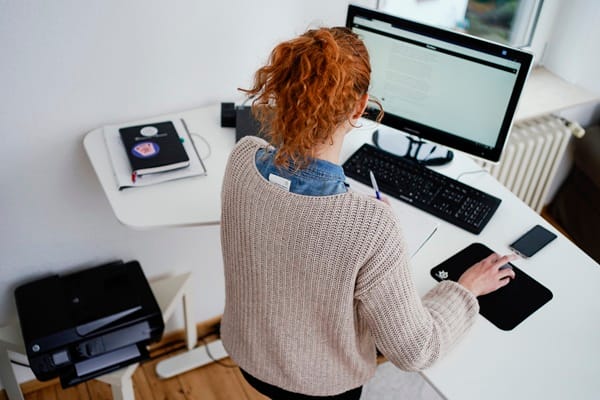
Photo by MART PRODUCTION on Pexels
Creating a relaxing office environment
The atmosphere of your room plays a part in how well you think. Soft lighting can make a space feel more inviting and less like a sterile laboratory. You might try adding a small plant to your desk to create a more natural feel. Natural elements often help lower stress levels during a hectic afternoon.
If you work in a shared space, you might not have control over the main lights. In this case, personal tech solutions are your best tool for success. Using a privacy screen or a filter can help you manage the light that hits your eyes directly.
These tools allow you to create a custom experience regardless of where you are sitting. Taking control of your surroundings is a key part of professional growth.
Managing your light exposure is a simple way to boost your daily results. When you take care of your eyes, your brain stays focused for longer periods. You will find that you have more energy left for your personal life after the workday ends.


Leave a Comment